
For generations, the idea of home was remarkably consistent.
It had a garden. A tree. Open skies. Fresh air drifting through open windows. Children running outdoors until sunset. Even the drawings we made as children reflected this universal dream.
Somewhere along the way, that dream quietly changed.
Today, urban housing has conditioned us to celebrate compromises that would once have been unthinkable. We applaud a 500-square-foot apartment because it’s in a “prime location.” We boast about amenities that are too crowded to enjoy. Swimming pools become queues. Gyms become waiting rooms. Children’s play areas become extensions of already congested lives.
We have accepted that a home should maximize land value rather than human value.
The result isn’t simply smaller homes.
It’s smaller lives.
Less sunlight.
Less privacy.
Less interaction with nature.
Less freedom for children.
Less room to pause.
Ironically, we’re paying more than ever for these compromises.
As our cities continue to densify, perhaps the more important question is no longer Where should I buy?
Perhaps it’s How do I want to live?
Technology has changed the way we work. Remote work has changed where we need to be. Infrastructure has made destinations more accessible than ever before. Yet many of us continue to make housing decisions based on assumptions that belonged to another era.
This is precisely where alternative housing models are beginning to challenge conventional thinking.
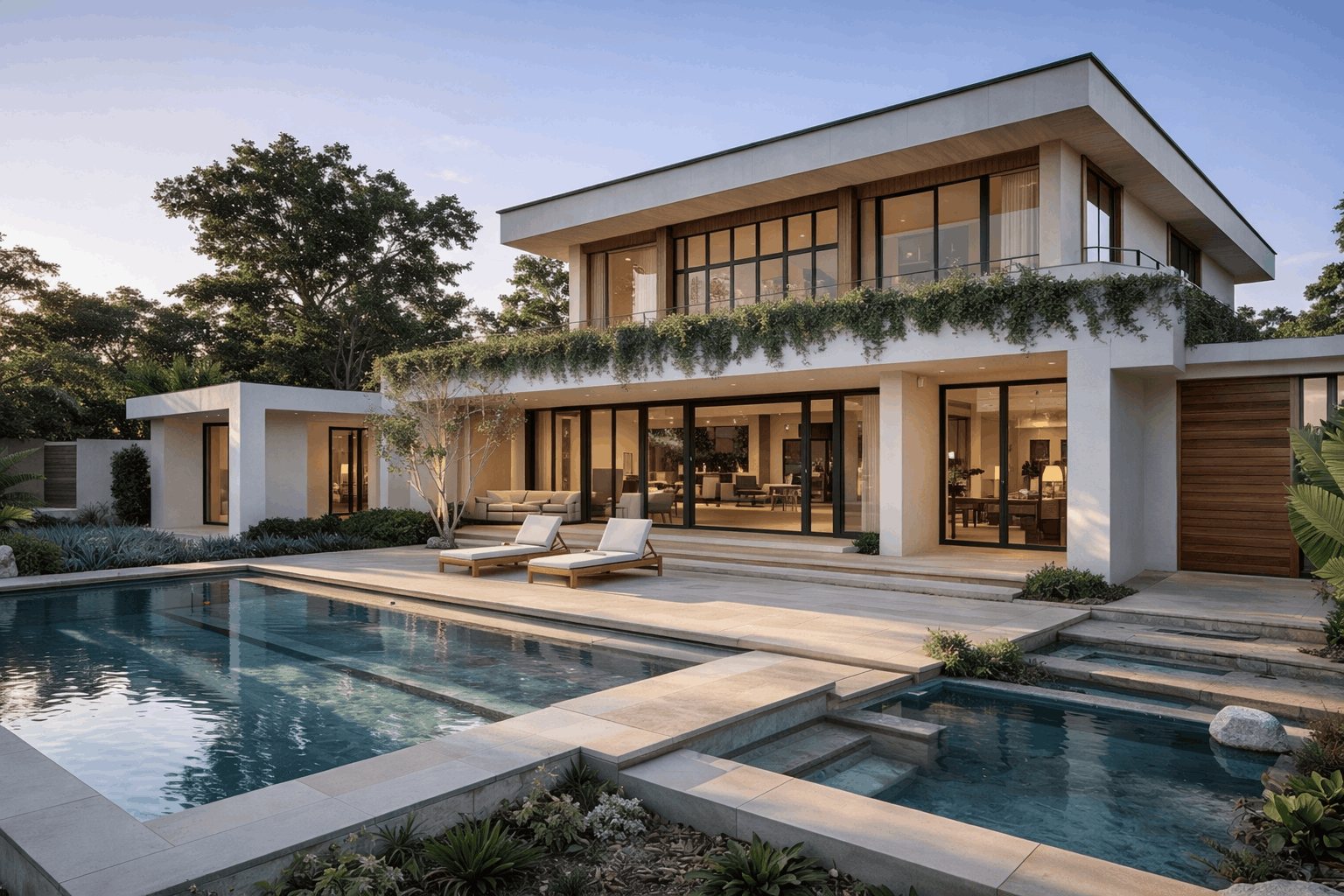
Homes that prioritise open spaces over built-up density.
Architecture that brings nature back into everyday living.
Private outdoor areas instead of shared, overcrowded amenities.
Designs that value experiences more than floor plans.
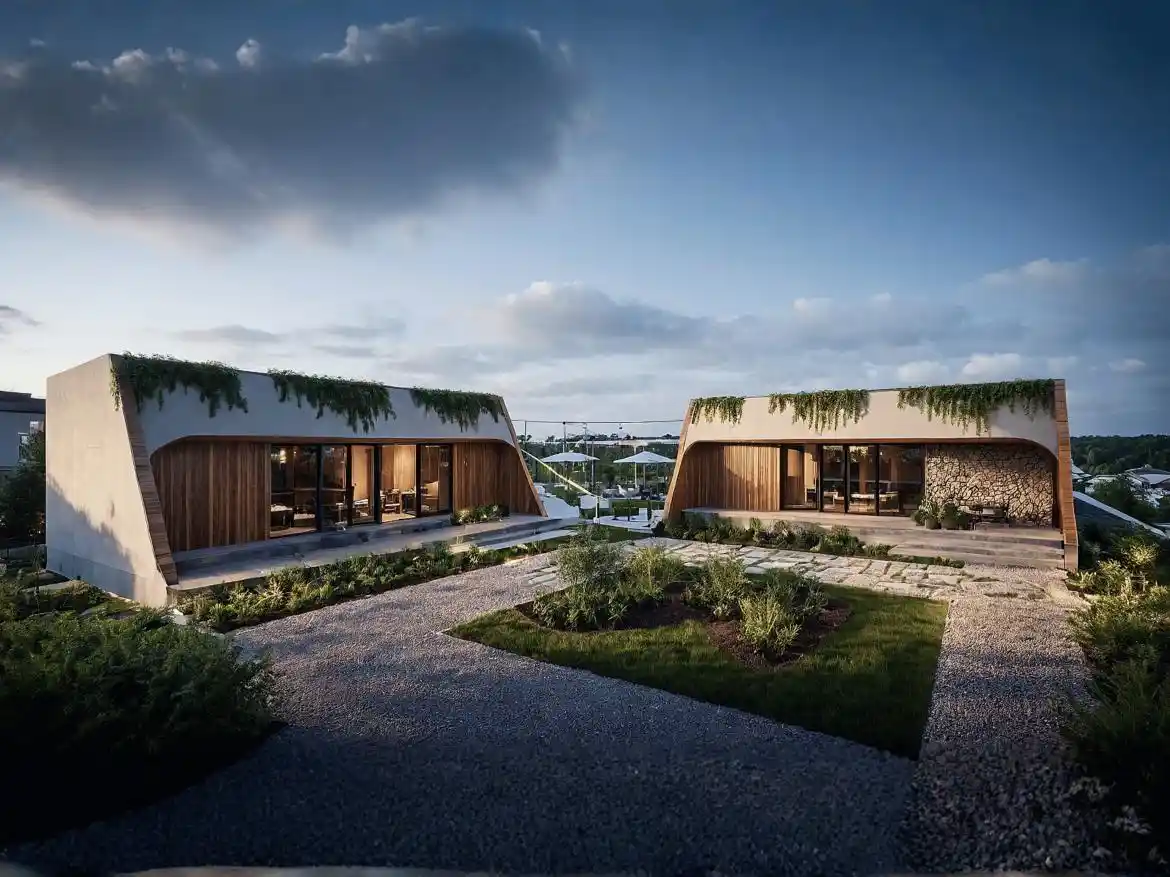
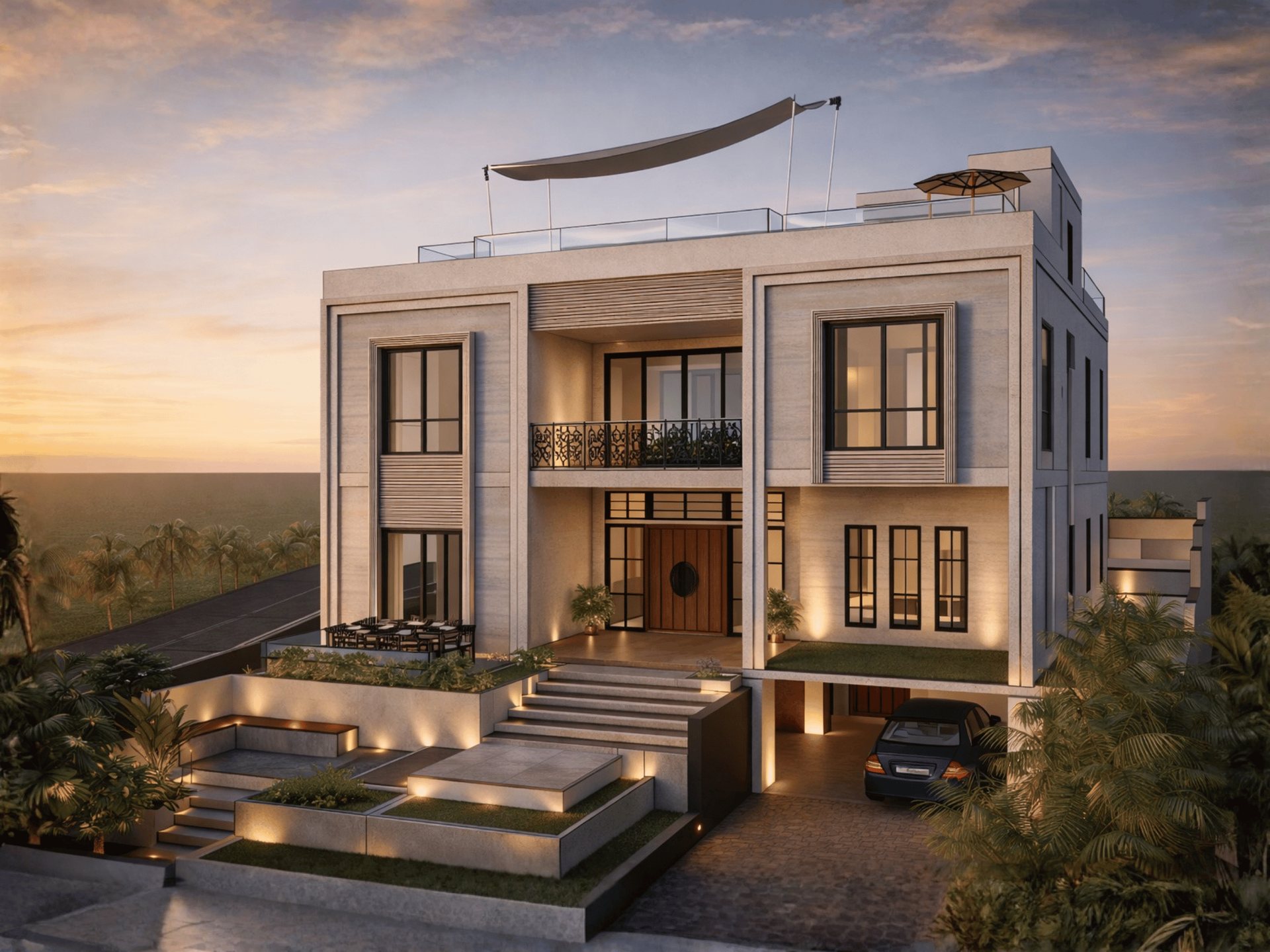
At Mulberry, we believe a home should expand your life—not compress it.
That’s why every villa is designed around openness, greenery, natural light and the freedom to live outdoors as comfortably as indoors.
Because a house isn’t merely a financial asset.
It’s where childhood happens.
It’s where conversations last longer.
It’s where weekends don’t require an escape because you’re already living where everyone else wants to vacation.
Perhaps the future of housing isn’t about building taller.
Perhaps it’s about living better.




Join The Discussion